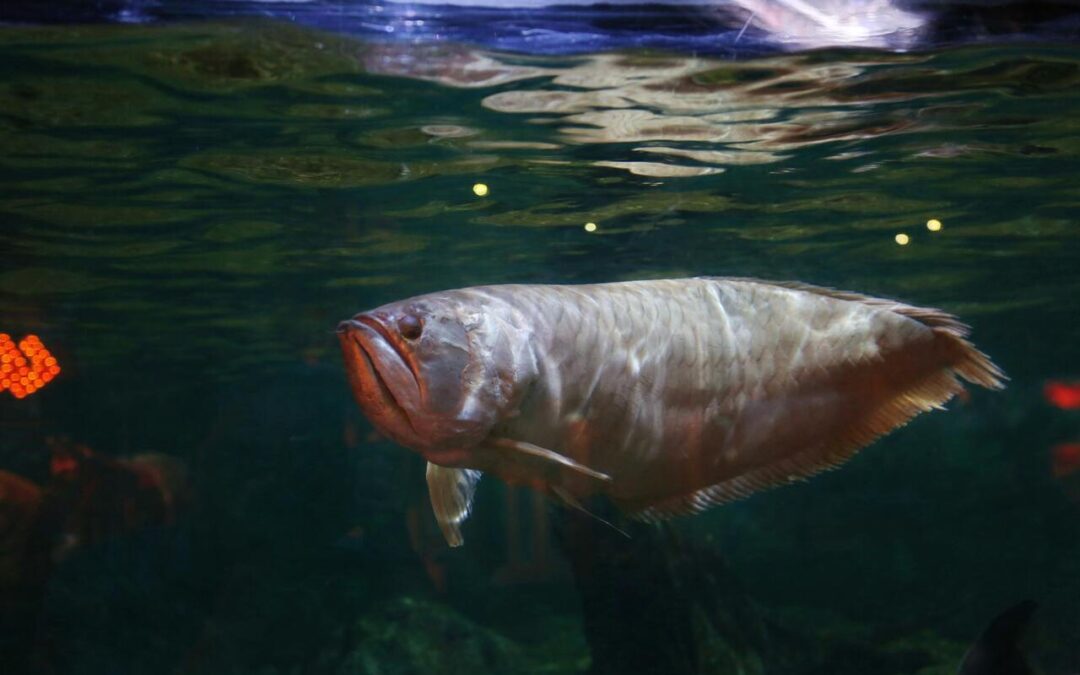
Arowanas are often called “dragon fish”, and it’s easy to see why. With their long, sleek bodies, metallic scales, and powerful swimming style, they look like creatures straight out of ancient legends. Beyond their striking appearance, arowanas are also surrounded by symbolism, especially in Asian cultures, where they’re believed to bring luck, wealth, and prosperity.
If you’re curious about the types of arowanas, or you’re considering keeping one as a pet, this guide will walk you through the most popular varieties, what makes each unique, and what you should know before bringing one home. Whether you’re a beginner or an experienced aquarist, understanding the differences between arowana species is essential.
What Is an Arowana?
Arowanas are large, freshwater fish from the family Osteoglossidae. They are native to South America, Asia, Australia, and Africa. Known for their surface-dwelling behavior, arowanas have an upturned mouth designed for catching insects, small fish, and even birds in the wild.
Most arowanas grow quite large—often 2 to 4 feet long—and can live 15 to 25 years with proper care. Because of their size, beauty, and cost, they are often considered “luxury fish” in the aquarium hobby.
Main Types of Arowanas
1. Asian Arowana (Scleropages formosus)
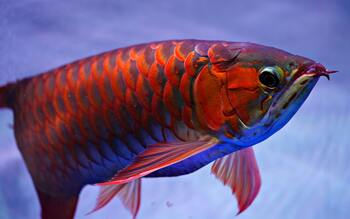
The Asian arowana is the most famous and most expensive type of arowana in the world. Native to Southeast Asia, this species is highly protected and regulated due to its endangered status.
Key traits:
- Metallic, armor-like scales
- Graceful swimming style
- Strong cultural symbolism (luck and prosperity)
Popular Asian arowana varieties:
- Super Red Arowana – Deep red scales, especially prized
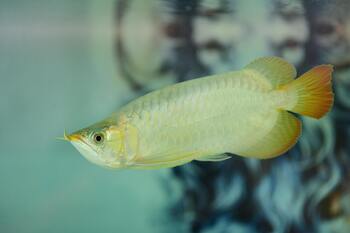
- Golden Crossback Arowana – Gold scales that cross the back
- Red Tail Golden Arowana – Golden body with red fins
- Green Arowana – More affordable but still beautiful
Asian arowanas are intelligent and often recognize their owners. However, they are not beginner-friendly due to their price, legal restrictions, and demanding care requirements.
2. Silver Arowana (Osteoglossum bicirrhosum)
The silver arowana is the most common and widely kept arowana species, especially among beginners. Native to the Amazon River basin, this fish is known for its bright silver body and impressive jumping ability.
Key traits:
- Bright silver scales
- Long, ribbon-like fins
- Extremely active swimmer
Silver arowanas can grow up to 4 feet long, making them one of the largest freshwater aquarium fish. They require very large tanks and secure lids, as they are notorious jumpers.
3. Black Arowana (Osteoglossum ferreirai)
The black arowana is closely related to the silver arowana and also originates from South America. Juveniles are especially stunning, with dark bodies and bright orange or yellow markings.
Key traits:
- Darker body compared to silver arowana
- Colorful juveniles
- Slightly calmer temperament
As black arowanas mature, their colors darken and become more subtle. They are often considered more adaptable than silver arowanas, making them a good alternative for large-tank keepers.
4. Jardini Arowana (Scleropages jardinii)
Also known as the Australian arowana, the Jardini comes from northern Australia and New Guinea. It is prized for its spotted scales and more aggressive personality.
Key traits:
- Pearl-like spots on each scale
- Compact but muscular body
- Highly territorial behavior
Jardini arowanas are beautiful but can be aggressive toward tank mates. They’re best kept alone unless housed in extremely large aquariums with compatible fish.
5. Leichardti Arowana (Scleropages leichardti)
The Leichardti arowana, also called the spotted barramundi, is another Australian species but less common than the Jardini.
Key traits:
- Bronze to copper coloration
- Smaller spots compared to Jardini
- Slightly calmer temperament
Leichardti arowanas are rarer in the aquarium trade and often more expensive. Their subtle coloring appeals to hobbyists who prefer a more natural, earthy look.
6. African Arowana (Heterotis niloticus)
The African arowana is quite different from other arowana species. Native to Africa’s rivers and lakes, it has a bulkier body and different feeding habits.
Key traits:
- Stocky body shape
- Feeds on plankton and small organisms
- Less aggressive than other arowanas
This species is less common in home aquariums and is more often seen in ponds or public aquariums due to its size and unique care needs.
Choosing the Right Arowana for You
Before choosing from the many types of arowanas, consider the following:
- Tank size: Most arowanas need tanks over 200 gallons
- Budget: Asian arowanas can cost thousands of dollars
- Experience level: Silver and black arowanas are more beginner-friendly
- Local laws: Some arowanas are restricted or regulated
Arowanas are a long-term commitment, so it’s important to plan carefully.
Arowana Care Basics
Regardless of species, most arowanas share similar care requirements:
- Water temperature: 75–86°F (24–30°C)
- pH level: Slightly acidic to neutral (6.0–7.5)
- Diet: Insects, shrimp, fish, pellets, and occasional treats
- Tank setup: Open swimming space with strong filtration
A tight-fitting lid is essential, as arowanas are powerful jumpers.
Fun Facts and Fascinating Details About Arowanas
Arowanas aren’t just visually stunning—they’re packed with fascinating traits that set them apart from most freshwater fish. Many aquarists say keeping an arowana feels less like owning a fish and more like sharing space with a prehistoric creature.
Arowanas Are Ancient “Living Fossils”
One of the most interesting facts about arowanas is their ancient lineage. Fossil records suggest that arowanas have existed for over 100 million years, dating back to the time of dinosaurs. Their primitive bone structure and surface-feeding behavior haven’t changed much over time, which is why they’re often described as living fossils.
This ancient heritage explains their powerful bodies, armored scales, and confident swimming style—they evolved to survive in harsh, competitive environments.
They Can Jump Shockingly High
Arowanas are legendary jumpers. In the wild, they leap out of the water to snatch insects, small animals, and even low-hanging prey from branches. Some reports suggest they can jump up to 6 feet in the air.
In aquariums, this trait can be risky. Many arowana keepers have learned the hard way that a heavy, tightly sealed lid is non-negotiable. Arowanas don’t jump out of fear—they jump out of instinct.
Arowanas Are Surprisingly Intelligent
Compared to many aquarium fish, arowanas display notable intelligence. They can:
- Recognize their owners
- Learn feeding schedules
- Respond to movement outside the tank
Some owners even train their arowanas to take food from their hands or follow fingers along the glass. This intelligence makes them incredibly engaging but also means they can become bored in cramped or unstimulating environments.
Scale Color Changes With Age and Environment
One fascinating detail—especially in Asian arowanas—is that color development takes time. Young arowanas often look dull compared to adults. Their iconic reds and golds gradually intensify over several years, influenced by:
- Genetics
- Diet
- Lighting
- Water quality
This slow transformation is part of the appeal. Watching an arowana “grow into its colors” feels like witnessing living art evolve.
Not All Arowanas Eat the Same Way
While most people think arowanas are strictly carnivorous, feeding habits can vary by species:
- Silver and black arowanas are aggressive surface predators
- Asian arowanas are more deliberate and selective
- African arowanas filter-feed and consume plant matter and plankton
This diversity in feeding styles is one reason different arowana species should not be grouped together without extensive planning.
Cultural Beliefs Add to Their Fame
Arowanas hold deep cultural meaning in many Asian societies. They’re often associated with:
- Wealth and prosperity
- Protection from bad luck
- Success in business
Because of this, Asian arowanas are sometimes kept in offices, restaurants, or homes following feng shui principles, where tank placement is believed to influence fortune.
Tank Size Influences Personality
An interesting but lesser-known fact is that arowanas behave very differently depending on tank size. In large aquariums, they tend to be calm, confident, and graceful. In cramped tanks, they may:
- Become aggressive
- Refuse food
- Develop physical deformities
This makes them one of the clearest examples of fish whose mental well-being is tied to space.
Each Arowana Has a Unique “Face”
Many long-term owners swear their arowanas have unique expressions. From slightly different jaw shapes to eye positioning and swimming posture, each fish develops its own character. This individuality is part of why arowana keepers form strong attachments to them.
Why Arowanas Are Called “Water Dragons”
The nickname “water dragon” isn’t just about appearance. It reflects their commanding presence, slow and deliberate movements, and dominance over their territory. Once an arowana settles into a tank, it becomes the undisputed ruler of its aquatic kingdom.
Arowanas Are Not Trend Fish
Unlike smaller aquarium fish that may be trendy for a few years, arowanas demand long-term commitment. Their long lifespan, size, and care needs mean they’re best suited for dedicated hobbyists willing to grow alongside them.
FAQs About Types of Arowanas
What is the most expensive type of arowana?
The Asian arowana, especially the Super Red and Golden Crossback varieties, is the most expensive and can cost thousands of dollars.
Which arowana is best for beginners?
The silver arowana is generally the best choice for beginners due to availability, lower cost, and hardiness.
How many types of arowanas are there?
There are several species, but the most common types include Asian, silver, black, Jardini, Leichardti, and African arowanas.
Can different types of arowanas live together?
Usually no. Arowanas are territorial and aggressive, especially toward their own kind, unless kept in extremely large tanks.
Are arowanas legal everywhere?
Not always. Asian arowanas are protected and regulated in many countries. Always check local laws before purchasing.
Final Thoughts
Arowanas are truly one of the most breathtaking freshwater fish in the world. From the legendary Asian arowana to the popular silver arowana and the bold Australian varieties, each type offers something unique. While they require space, care, and dedication, the reward is a living centerpiece that commands attention and admiration.
If you’re ready for the challenge, owning an arowana can be an unforgettable and deeply rewarding experience for any aquarium enthusiast.