Tetra fish are among the most popular freshwater aquarium species thanks to their vibrant colors, peaceful nature, and active schooling behavior. Whether you keep neon tetras, cardinal tetras, ember tetras, or any of the dozens of species available, proper care ensures they thrive for years. Although tetras are beginner-friendly, they still need the right environment, diet, and maintenance routines. This friendly guide walks you through everything you need to know about caring for tetra fish in a way that feels simple, natural, and beginner-friendly.
Understanding Tetra Fish Needs
Tetras come from streams and slow-moving waters in South America and Africa. Their natural habitat is typically soft, acidic, dimly lit, and heavily planted. When you recreate this environment at home, your tetras will show richer colors, better schooling behavior, and improved overall health.
According to experts, caring for tetras involves keeping them in schools of five or more, maintaining a planted aquarium with dim lighting, and feeding them a varied diet of flakes, pellets, and live or frozen foods. Their care also depends on maintaining a stable temperature between 72–78°F (22–26°C) and performing weekly 25% water changes to keep the tank clean.
Tank Setup and Environment
1. Tank Size
A proper tank size sets up your tetras for long-term comfort and stability.
- Minimum size: 10–20 gallons for smaller species like neon or glowlight tetras.
- Larger tanks: Always better. They offer more swimming space, dilute waste more effectively, and allow you to keep larger schools.
Since tetras are schooling fish, a larger tank makes it easier to maintain groups of 6–12, which helps reduce stress and promote natural behavior.
2. Lighting
Tetras thrive in soft, subdued lighting because they naturally come from shaded, plant-filled waters.
- Avoid harsh, bright lights.
- Use dim LED lighting, floating plants, or adjustable illumination to create a gentle, stress-free environment.
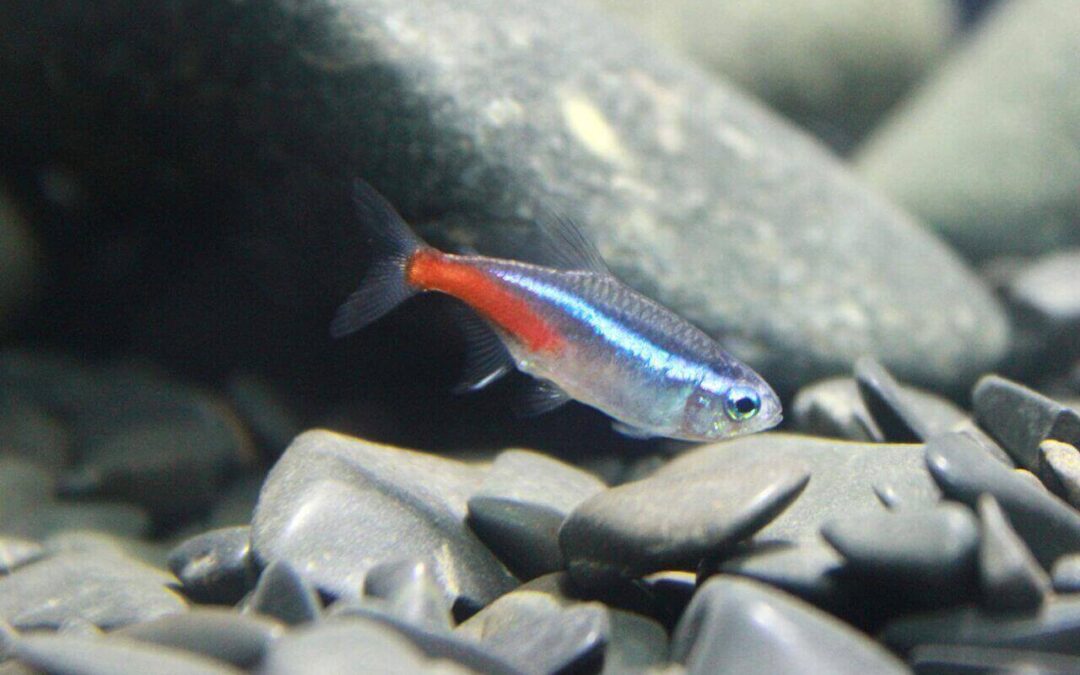
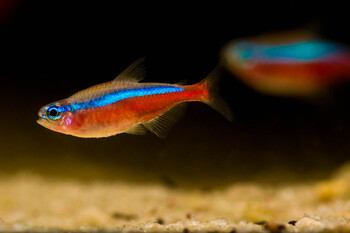
Dim lighting also helps bring out their colors, especially in neon and cardinal tetras, which look more vivid when the lighting is low and the tank has a dark background.
3. Aquascaping and Decor
A well-designed planted aquarium not only looks beautiful but also makes your tetras feel secure.
Ideal decor includes:
- Live plants: Amazon swords, Anubias, Java fern, water sprite
- Dark substrate: Makes their colors stand out
- Driftwood and roots: Provide hiding spots
- Leaf litter or Indian almond leaves: These help lower pH slightly and release tannins with natural antifungal properties.
Tetras explore actively, so a balanced layout with open swimming areas in the center and plants along the edges works best.
4. Water Parameters
Healthy water is the foundation of tetra fish care.
Target water conditions:
- Temperature: 72–78°F (22–26°C)
- pH: Slightly acidic to neutral (6.0–7.0) for most species
- Hardness: Soft to moderately hard
- Ammonia/Nitrite: 0 ppm
- Nitrate: Below 20 ppm
Neon tetras, in particular, prefer soft and slightly acidic water (pH 6.0–7.0), though they can adapt if given gradual changes and stable conditions. What matters most is consistency — tetras do poorly with sudden shifts in temperature or pH.
Feeding Tetra Fish
Tetras are omnivores, meaning they need a varied diet to stay vibrant and healthy.
1. What to Feed
Offer a mix of:
- High-quality flakes or micro flakes
- Nano pellets
- Frozen foods like bloodworms, daphnia, or brine shrimp
- Live foods like baby brine shrimp for conditioning and breeding
A varied diet ensures they get the nutrients they need for immunity, coloration, and energy.
2. Feeding Frequency
Feed once or twice a day, but only give what they can finish in under two minutes.
Overfeeding is a common mistake among beginners. Excess food sinks, rots, and triggers ammonia spikes, which can quickly harm small schooling fish like tetras.
Tetra Fish Compatibility and Behavior
1. Schooling Behavior
Tetras are classic schooling fish.
Keeping a group of at least five—preferably more—reduces stress, prevents fin nipping, and encourages them to swim confidently across the tank. Larger groups also show more synchronized swimming and brighter coloration.
2. Good Tank Mates
Tetras are peaceful and thrive in a calm community tank.
Recommended tank mates include:
- Other small tetras
- Corydoras catfish
- Rasboras
- Small danios
- Peaceful dwarf gouramis
- Shrimp (depending on tetra species)
Avoid aggressive fish or species large enough to see tetras as food.
3. Behavior to Expect
Healthy tetras will:
- Swim in loose schools
- Show bright coloration
- Explore plants actively
- Display gentle pecking or playful chasing within the group
Stress indicators include clamped fins, hiding constantly, or faded coloration — usually signs of poor water quality, small group size, or sudden environmental changes.
Maintenance Routine: Keeping the Tank Clean and Stable
A clean tank is essential for the long-term well-being of tetras. Here’s an easy maintenance schedule inspired by the experts:
Daily Tasks
- Feed once or twice
- Turn aquarium lights on/off (8–12 hours of light)
- Check water temperature with a thermometer
Bi-Weekly Tasks
- Perform a 25% water change
- Add water conditioner to remove chlorine/chloramine
- Lightly siphon debris from the substrate
Monthly Tasks
- Replace filter cartridges or clean sponge filters
- Rinse decorations in old tank water
- Deep siphon gravel or sand to remove waste buildup
Consistent maintenance prevents nitrate buildup and keeps your tetras healthier and more active.
Common Mistakes to Avoid
Here are a few mistakes beginners often make when caring for tetras:
1. Keeping Too Few Tetras
A group of two or three causes stress and leads to territorial behavior or fin nipping. Always keep five or more.
2. Overfeeding
This is the fastest way to foul the water. Stick to small portions.
3. Using Bright Lights
Excessive lighting makes tetras skittish and hides their colors.
4. Not Cycling the Aquarium
New aquariums must be cycled to build beneficial bacteria. Skipping this step puts fish at risk of ammonia poisoning.
5. Sudden Water Changes
Tetras are sensitive to rapid shifts. Always match temperature and acclimate slowly.
How to Keep Your Tetras Stress-Free
A stress-free tetra is a healthy tetra.
To ensure your fish live long, calm lives:
- Provide plenty of hiding spots
- Maintain a consistent routine
- Keep their school large enough
- Avoid tapping on the glass
- Quarantine new fish for 1–2 weeks before adding them
Frequently Asked Questions (FAQs)
1. How many tetras should I keep together?
You should keep at least five, though groups of 8–12 create a more natural and stress-free environment.
2. What temperature is best for tetras?
Maintain a stable 72–78°F (22–26°C). This range supports most common species, including neon and ember tetras.
3. Can tetras live with bettas?
Sometimes. Betta temperament varies widely. If trying the combination, ensure a spacious tank with plenty of plants and monitor interactions carefully.
4. How long do tetras live?
Most species live 4–6 years, but with excellent care, some can reach up to 10 years.
5. What do tetras eat?
A combination of flakes, pellets, frozen foods, and live foods like baby brine shrimp. A varied diet improves color and immunity.
6. How often should I clean the tank?
Perform a 25% water change every one to two weeks and do a deeper cleaning once a month.
7. Do tetras need a heater?
Yes. Most tetras require warm, stable temperatures that only an aquarium heater can maintain.
Final Thoughts
Caring for tetra fish is enjoyable, rewarding, and easier than many people assume. As long as you maintain good water quality, keep them in peaceful schools, and provide a comfortable planted environment, tetras will thrive with vibrant colors and active behaviors. Whether you’re a beginner or expanding your community tank, tetras are one of the best additions to a peaceful, lively aquarium.