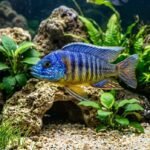
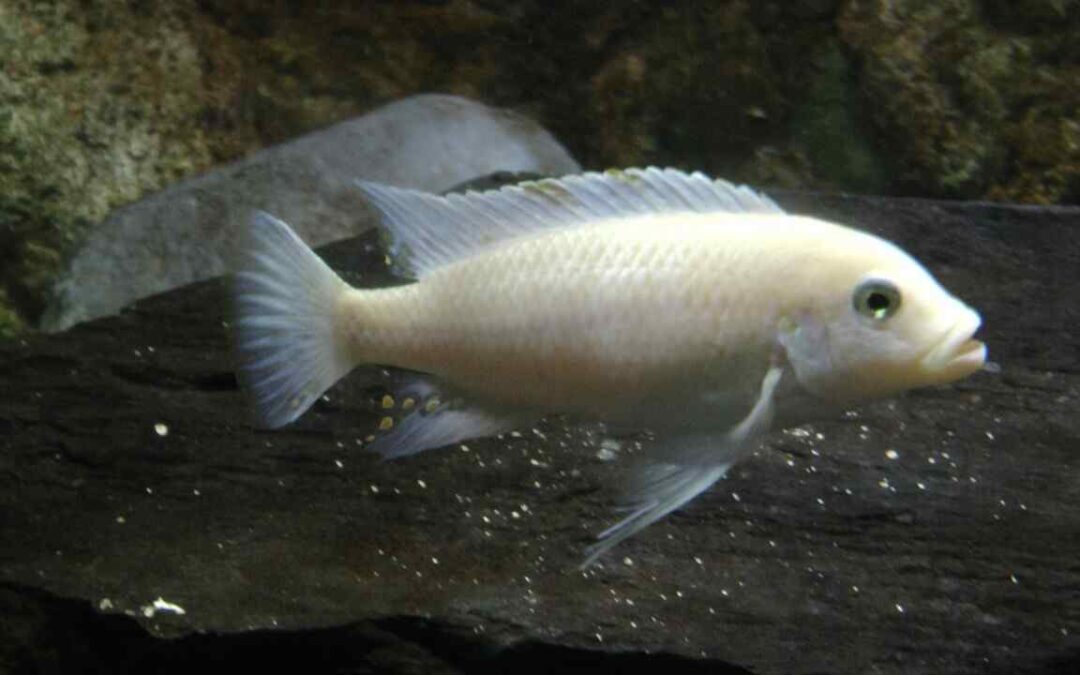
Setting up a cichlid aquarium is both exciting and rewarding, especially once you understand how unique and demanding these fish can be. Cichlids are known for their vibrant colors, bold personalities, and active behavior, but they also require a carefully planned environment to thrive. Whether you’re keeping Mbuna from Lake Malawi, Peacock cichlids, or Central American varieties, a proper setup lays the foundation for long-term success.
This guide walks you through everything—from tank size and filtration to substrate, décor, and essential water parameters—using insights from proven aquarium-keeping practices.
Why a Proper Cichlid Setup Matters
Cichlids are more territorial and messier than most community fish. They produce more waste, claim specific areas of the tank, and can become aggressive without the right environment. A proper setup helps:
- Reduce aggression
- Maintain stable water chemistry
- Support biological filtration
- Provide natural behaviors like digging and exploring
In short, the right setup keeps your cichlids healthy, active, and stress-free.
Tank and Equipment Essentials
1. Tank Size
One of the most important pieces of advice from experts is that a basic cichlid tank setup requires a spacious aquarium, particularly at least 75 gallons for African species. This size gives them enough room to establish territories and reduces aggression.
General rule:
- 75 gallons – Good starting point for most African species
- Bigger is better – Especially for large or highly active cichlids
- Long tanks are preferred – They provide horizontal swimming space
Avoid tall, narrow tanks since cichlids use width and length more than height.
2. Heater
Cichlids thrive in warm, stable water.
Use a heater rated at about 3 watts per gallon. Aim for:
- 74–82°F (23–28°C) depending on species
- Use two heaters in larger tanks for even heat distribution
- Pair with a reliable thermometer for daily monitoring
3. Filtration
Cichlids are messy eaters and produce significant waste, so over-filtration is the key. Experts note that proper filtration should provide a 5–10x turnover rate per hour.
Examples:
- 75-gallon tank → 375–750 GPH
- 125-gallon tank → 625–1250 GPH
Using two filters—such as a canister filter plus a hang-on-back filter—is common among cichlid keepers and helps spread flow.
Overstocking is sometimes intentionally done to reduce aggression, and strong filtration keeps the water clean despite the heavy bioload.
4. Lighting
Standard aquarium lighting works well, but consider lights with a ramp-up feature to avoid startling fish when lights turn on suddenly. Color-enhancing bulbs can make your cichlids look more vibrant, but they are optional.
5. Wavemakers (Optional but Beneficial)
A wavemaker helps mimic natural currents, increases oxygen levels, and prevents dead spots where debris accumulates. They are very useful in larger tanks or setups with many rock formations.
Substrate and Décor
1. Substrate
Cichlids thrive in hard, alkaline water, and the substrate plays a big role in maintaining this environment. Experts recommend:
- Crushed coral
- Aragonite sand
- Crushed oyster shell
These substrates naturally raise pH and hardness, helping maintain stable water chemistry. African cichlids prefer:
- 1–2 inches of substrate
- Sand or fine material for digging
- Avoid sharp gravel that can injure their mouths or bodies
2. Décor and Aquascaping
Cichlids love structure. Give them plenty of caves, tunnels, and rocky hiding spots. Good décor also helps break line-of-sight, reducing aggression.
Recommended décor materials:
- Limestone
- Dolomite rock
- Texas Holey Rock
- Smooth, stackable stones
Different species have different habitat needs:
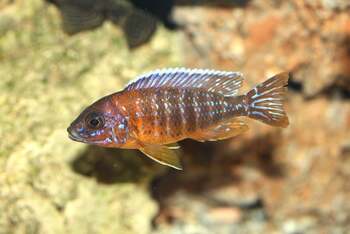
- Mbuna (Lake Malawi rock-dwellers):
Need heavy rockwork with caves and tight spaces - Peacocks & Haps (open-water swimmers):
Prefer open areas with minimal rock congestion - Central American cichlids:
Enjoy driftwood, caves, and some open space
Avoid sharp rocks that can tear fins or scales.
Water Parameters and Maintenance
1. Ideal Water Chemistry
African cichlids prefer hard, alkaline water. Aim for:
- pH:8–8.5
- Hardness: 10–20 dH
These parameters mimic the mineral-rich lakes of Africa and help maintain vibrant colors and active behavior.
2. Water Changes
Because cichlid tanks are often overstocked, nitrates can rise quickly. Perform:
- Weekly water changes (30–50%)
- Use dechlorinated water
- Match temperature to avoid stress
Regular gravel vacuuming helps remove trapped waste beneath rocks.
3. Cycling the Tank
Experts emphasize cycling as crucial before adding fish. Cycling allows beneficial bacteria to process ammonia and nitrite, making the tank safe.
Tips to speed up cycling:
- Use filter media from an established tank
- Add bottled beneficial bacteria
- Test water regularly (ammonia, nitrite, nitrate)
Never add cichlids to a tank with detectable ammonia or nitrite.
Tank Mates & Compatibility
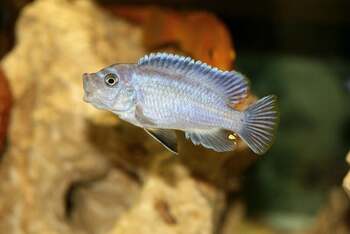
African cichlids are territorial and aggressive, but you can reduce conflict with smart stocking.
Tips:
- Keep similar-sized fish together
- Avoid mixing species that look too similar (reduces mistaken identity aggression)
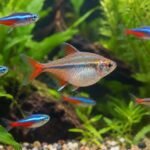
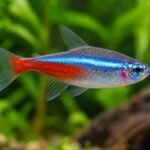
- Don’t house African cichlids with community fish like tetras or gouramis
- Avoid fin-nippers or overly aggressive non-cichlid species
If you’re mixing cichlids, research which species coexist peacefully.
FAQs
1. What size tank is best for cichlids?
A 75-gallon tank is a great starting point, especially for African cichlids. Larger tanks help reduce aggression and provide stable water parameters.
2. Do I need special substrate for cichlids?
Yes. Substrates like crushed coral, aragonite sand, and crushed oyster shell help keep the water hard and alkaline.
3. Why is filtration so important?
Cichlids produce a lot of waste. You need a turnover rate of 5–10x the tank’s volume per hour to keep the water clean and safe.
4. How long should I cycle a cichlid tank?
Most tanks take 4–6 weeks to fully cycle. Using seeded media can speed up the process.
5. Can I mix different types of cichlids?
Some species can mix, but compatibility depends on temperament, size, and water preferences. Always research before combining species.
Final Thoughts
Setting up a cichlid aquarium requires more planning than a typical freshwater tank, but the reward is a vibrant, dynamic, and visually stunning aquatic ecosystem. By choosing the right tank size, substrate, decor, filtration, and water conditions, you’ll create a stable environment where your cichlids can thrive for years.
Whether you’re building a rocky Mbuna habitat or a spacious open-water layout for Peacocks, following these guidelines ensures a healthy and enjoyable aquarium experience.