Corydoras catfish are among the most beloved freshwater fish in the aquarium hobby. Peaceful, social, and endlessly entertaining, these bottom-dwellers are perfect companions for community tanks. While their charming personalities easily win over fishkeepers, many hobbyists wonder: How long do Corydoras live?
The short answer—on average, Corydoras live 5 to 10 years, but with exceptional care, some individuals can reach 15 years or even longer. Several factors influence their longevity, including species, genetics, tank environment, and diet. Understanding these factors helps you provide the right conditions for a long, healthy life.
Below, we’ll explore everything that contributes to Corydoras lifespan and provide practical tips to help your Corys thrive for many years.
Average Lifespan of Corydoras
According to common aquarium research and insight, most Corydoras species live 5–10 years, but certain species—especially those kept in ideal conditions—may surpass the ten-year mark. Some well-cared-for Corys have even reached 12–15 years, making them one of the longer-lived small freshwater fish.
This wide lifespan range comes from differences in species, genetics, and the environments they are kept in. For example:
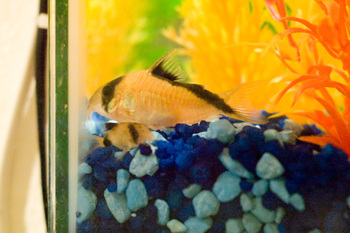
- Bronze Corydoras (Corydoras aeneus): Typically 8–10 years
- Peppered Corydoras (Corydoras paleatus): Often live 10 years or more
- Panda Corydoras (Corydoras panda): Around 5 years, sometimes longer with great care
- Sterbai Corydoras (Corydoras sterbai): Usually 8–10 years
- Pygmy species: 3–5 years on average, but occasionally longer
Even within the same species, lifespan can vary depending on the level of care provided.
Key Factors That Influence Corydoras Lifespan
Experts highlight several major influences on a Corydoras’ lifespan. These include species, genetics, tank conditions, diet, and stress levels. Let’s take a deeper look at each one.
1. Species Differences
Not all Corydoras live the same amount of time. With more than 170 recognized species, it’s natural for lifespans to vary.
- Common aquarium Corys like bronze and peppered tend to live the longest.
- Panda and pygmy Corys may have shorter lifespans simply due to their smaller size and increased sensitivity.
- Some rare or wild-type species may be more prone to stress or disease, reducing their expected lifespan.
No matter the species, optimal care can significantly extend their life.
2. Genetics and Origin
Another major factor is genetic health. It notes that poor breeding habits can lead to weaker fish, especially from mass-produced sources. These fish may have compromised immune systems or greater susceptibility to disease.
On the other hand:
- Wild-caught Corydoras can be beautiful and unique but may struggle with stress, transport trauma, and dietary changes.
- Ethically bred, high-quality stock from trusted breeders often live longer and exhibit stronger overall health.
Selecting healthy fish at the start sets the foundation for a longer lifespan.
3. Tank Conditions and Water Quality
Water quality is arguably the most important factor affecting how long Corydoras live. Corys come from clean, well-oxygenated rivers in South America, which means they don’t tolerate poor water conditions well.
Poor water quality can lead to:
- Barbel erosion
- Skin infections
- Gill damage
- Chronic stress
- Lowered immunity
- Shortened lifespan
To protect their health, ensure:
- Stable water parameters with ammonia and nitrite at 0 ppm
- Nitrates below 20–30 ppm
- Regular water changes (25–40% weekly depending on tank size)
- Good filtration with gentle flow, since strong currents can exhaust Corys
A well-maintained tank dramatically boosts their long-term well-being.
4. Tank Size and Layout
While Corydoras are small, they are active bottom explorers who thrive in a tank that gives them room to roam. A cramped or poorly designed environment can increase stress and shorten their life.
Ideal tank guidelines:
- Minimum tank size: 20 gallons for most species
- Soft, sandy substrate: Prevent barbel damage and encourage natural foraging
- Hiding spots: Driftwood, caves, plants, and leaf litter
- Open floor space: Corys need open areas to shoal and search for food
Avoid sharp gravel. Corydoras use their barbels to sift through substrate, and rough surfaces can injure them, making them susceptible to infection—a major cause of shortened lifespan.
5. Temperature and Environmental Stability
Temperature plays a surprisingly important role. Some Corydoras species cannot tolerate high heat and may become stressed quickly if water is too warm.
General temperature guides:
- Most species: 72–78°F (22–26°C)
- Cool-water species (like Peppered Corys): Prefer 68–72°F (20–22°C)
Keeping temps stable—not fluctuating several degrees in a day—is crucial.
6. Social Structure and Stress
Corydoras are schooling fish. Keeping them in groups of fewer than six individuals can lead to chronic stress, decreasing their lifespan significantly.
Benefits of keeping a proper school:
- Increased confidence
- More natural behaviors
- Reduced stress
- Better eating habits
- Stronger immune system
Stress is known to shorten the lives of many aquarium fish, and Corydoras are no exception.
7. Diet Quality and Variety
Corydoras are often misunderstood as “cleanup fish” that survive on leftovers—but that’s not true. A poor or limited diet can cut their lifespan dramatically.
Experts emphasize that a varied, appropriate diet is essential for long life.
Healthy Corydoras diet should include:
- High-quality sinking pellets as a staple
- Frozen foods like bloodworms, daphnia, and brine shrimp
- Live foods occasionally for enrichment
- Vegetable-based wafers for balanced nutrition
Providing proper food ensures stronger immunity and better long-term health.
How to Help Corydoras Live 10–15 Years
While the natural lifespan may be 5–10 years, many aquarists have successfully reached the 15-year mark with excellent care. Here are the most important steps for giving your Corys a long, healthy life, based on insights from the best aquarium practices.
1. Provide a Spacious, Well-Filtered Tank
Good filtration keeps toxins low and ensures your Corys have well-oxygenated water. Choose filters with adjustable flow and provide plenty of floor space.
2. Keep Corys in Schools of Six or More
Corydoras are incredibly social. A proper school reduces stress and helps them display natural shoaling behavior. Lone Corys tend to hide more and are prone to stress-related illnesses.
3. Maintain Excellent Water Quality
This includes:
- Weekly water changes
- Regular testing of parameters
- Cleaning debris from the substrate
- Avoiding overfeeding
Stable, clean water is the foundation of a long Corydoras life.
4. Feed a Varied, High-Quality Diet
Don’t rely on scraps or leftover flakes from other fish. Invest in nutritious sinking pellets designed for bottom feeders and supplement with frozen or live treats.
5. Offer a Soft, Fine Substrate
Sand or fine smooth gravel prevents barbel damage and encourages natural foraging. Rough, sharp gravel is one of the most common causes of infections that shorten Corydoras lifespan.
6. Avoid High Heat and Keep Temperature Steady
Sudden changes or water that’s too warm can stress Corys. Match temperature preferences to the specific species you keep.
7. Choose Peaceful Tank Mates
Corydoras thrive in calm, friendly community tanks. Avoid:
- Fin nippers
- Large aggressive cichlids
- Fast, frantic fish that hog food
Peace and stability contribute to long-term health.
8. Quarantine New Fish
Many diseases enter tanks through new arrivals. A proper quarantine period helps ensure pathogens don’t spread to your Corydoras.
Common Signs Your Corydoras Is Aging
As Corydoras grow older, you may notice:
- Reduced activity
- Slower response to food
- Slight fading of color
- More resting and less exploring
- Increased sensitivity to poor water quality
These changes are normal, especially in Corys that have lived 8–12 years or more. Still, maintaining high-quality care helps support them through old age.
Frequently Asked Questions (FAQs)
1. How long do Corydoras live on average?
Most Corydoras live 5–10 years, but with excellent care, many can reach 12–15 years.
2. What is the longest a Corydoras has been known to live?
Some hobbyists report Corydoras living 15 years or more, especially in stable, well-maintained aquariums.
3. Do all Corydoras species live the same amount of time?
No. Lifespan varies by species. Larger species like bronze and peppered Corys tend to live longer, while pygmy species may have shorter lifespans.
4. How many Corydoras should be kept together?
At least six. Corys are schooling fish and rely on social groups to feel safe.
5. Can poor substrate shorten a Corydoras’ life?
Yes. Sharp gravel can injure their barbels, leading to infection and reduced lifespan. Soft sand is ideal.
6. Can Corydoras live alone?
They can, but they won’t thrive. Single Corys often become stressed, reclusive, and unhealthy.
7. What temperature is best for Corydoras?
Most species prefer 72–78°F (22–26°C), though some, like Peppered Corys, like cooler water.