
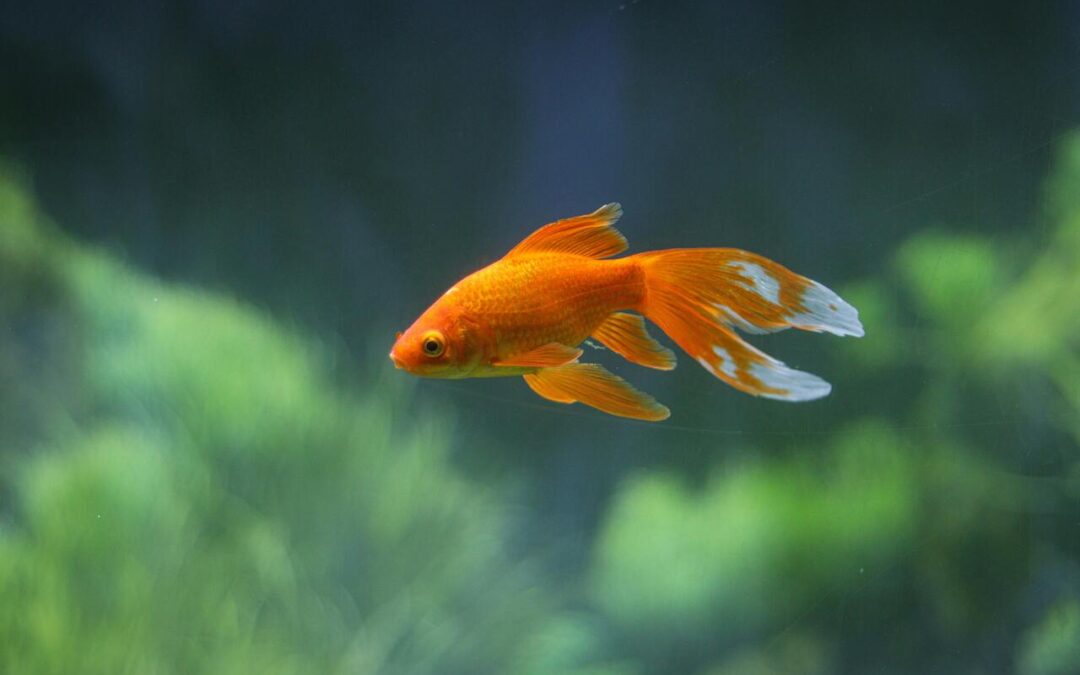
Goldfish are one of the most popular aquarium pets in the world. Their dazzling colors, elegant swimming patterns, and hardy nature have made them a favorite among both beginners and experienced fishkeepers. But for many owners, a common question arises: how can you tell if a goldfish is male or female?
Unlike some animals where gender differences are obvious, goldfish require a closer eye to distinguish. The good news is, with the right knowledge, it’s entirely possible to identify the sex of your goldfish—especially during the breeding season when differences become more pronounced.
This guide will walk you through the key traits of male and female goldfish, from body shape and fins to behavioral cues. We’ll also explore common mistakes, tips for accurate identification, and some fascinating facts about goldfish breeding.
Why Knowing Your Goldfish’s Sex Matters
At first glance, it may seem like knowing whether your goldfish is male or female isn’t that important. After all, many fishkeepers keep goldfish simply for their beauty and companionship. But identifying the sex of your goldfish can actually be quite useful:
- Breeding and Fry Care: If you’re interested in raising baby goldfish, you’ll need both sexes and must recognize their roles in spawning.
- Behavioral Understanding: Males and females may act differently during breeding season. Recognizing these behaviors prevents confusion or unnecessary concern.
- Health Monitoring: Females carrying eggs may appear bloated, which can sometimes be mistaken for illness. Understanding her condition can prevent panic.
- Tank Harmony: Male goldfish can become quite persistent when chasing females, which may stress the females. Knowing their sex helps you manage tank dynamics.
- Curiosity and Connection: Many pet owners simply feel closer to their animals when they know more about them—including their sex.
General Challenges in Telling Goldfish Sex
Goldfish are not sexually dimorphic in an obvious way (meaning males and females don’t look drastically different outside of breeding cues). Some reasons it can be difficult include:
- Age Matters: Juvenile goldfish are nearly impossible to sex accurately. Most differences only appear as they mature, typically after 1 year of age.
- Variety Differences: Fancy goldfish varieties have exaggerated shapes that can make identification more challenging. For instance, a round-bodied Ryukin might always look “female,” regardless of sex.
- Seasonal Changes: Many signs are most obvious during spring and summer—the natural breeding season for goldfish.
- Individual Variation: Not every goldfish follows the “textbook” rules. Some males never develop obvious tubercles; some females stay slim even with eggs.
Because of these challenges, it’s best to rely on a combination of signs rather than just one.
Male Goldfish: Signs to Look For
When trying to identify a male, look for these traits:
1. Slimmer Body Shape
Males usually appear more streamlined and torpedo-shaped. Viewed from above, their bodies often taper smoothly toward the tail, forming a more V-like outline.
2. Concave Vent (Anal Opening)
Flip your goldfish over gently (using a net and wet hands, if handling is necessary, though observation is usually enough). A male’s vent—the small opening near the anal fin—is thin, elongated, and slightly concave, almost like an “innie.”
3. Breeding Tubercles
One of the strongest indicators of a male goldfish during breeding season is the development of breeding tubercles. These are tiny white spots or bumps that appear on:
- The gill plates (cheeks).
- The leading edges of the pectoral fins.
These spots are harmless and a strong indicator of male sex. However, not every male gets them, and they fade after breeding season.
4. Chasing Behavior
Males actively pursue females during spawning. They may nudge, bump, or swim alongside females to encourage them to release eggs. If you see repeated chasing, it’s usually males pursuing a female.
Female Goldfish: Signs to Look For
Females differ from males in several noticeable ways:
1. Rounder, Fuller Body Shape
Females typically have deeper, rounder bodies. When full of eggs, they may look plumper and even appear slightly asymmetrical when viewed from above.
2. Convex Vent (Anal Opening)
The vent of a female goldfish is rounder, thicker, and protrudes slightly, resembling an “outie.” When full of eggs, this becomes more noticeable.
3. Fins
Compared to males, female goldfish often have shorter and rounder pectoral and anal fins.
4. Egg-Carrying
A telltale sign of a female is when she develops a swollen belly during the breeding season. This can sometimes be mistaken for illness, but the swelling is generally symmetrical and soft to the touch.
Behavioral Differences
Behavior can be just as telling as physical appearance, especially in spring and summer when goldfish naturally breed.
- Males Chase, Females Flee: If you see one or more goldfish repeatedly chasing another around the tank, bumping into her sides, or trying to press against her abdomen, the pursuers are males, and the chased one is usually a female.
- Spawning Dance: Sometimes the males will swim alongside females in synchronized movements, a courtship behavior.
Tips for Accurate Identification
Because individual traits can sometimes be misleading, here are some strategies to improve accuracy:
1. Compare Fish of the Same Variety and Age
Sexing is easier when comparing goldfish of the same type and size. For example, a slender comet goldfish might look female compared to a fancy breed, but within its own group, the differences become clearer.
2. Look During Breeding Season
Spring and summer are the best times to tell males from females. Signs like tubercles, vent shape, and chasing behaviors become much more obvious.
3. Observe the Vent
While body shape can be misleading, the vent is generally more reliable. Remember:
- Male = thin, concave vent.
- Female = round, convex vent.
4. Watch for Behavior
Chasing is a classic sign of males during breeding season. If you notice a fish being chased and nudged constantly, chances are high that it’s a female.
Common Mistakes to Avoid
- Mistaking Fat for Eggs: Not all swollen goldfish are females carrying eggs. Overfeeding, constipation, or illness can also cause bloating.
- Relying on One Trait Alone: Some traits (like body shape) can vary widely depending on breed. Always use multiple indicators.
- Trying Too Early: Juvenile goldfish are nearly impossible to sex accurately. Patience is key.
Fun Facts About Goldfish Breeding
- Goldfish don’t get pregnant. Instead, females carry eggs, which males fertilize externally once released.
- A single female goldfish can lay hundreds, even thousands, of eggs during breeding season.
- Goldfish don’t make great parents—they often eat their own eggs if given the chance. Breeders usually separate adults from eggs to improve survival rates.
- Breeding tubercles on males disappear outside of breeding season. So, if you don’t see them, it doesn’t necessarily mean your fish is female.
Step-by-Step Guide: Identifying Your Goldfish’s Sex
Here’s a practical method you can use at home:
- Wait for Maturity – Ensure your goldfish is at least 1 year old.
- Examine from Above – Look for roundness (female) or slenderness (male).
- Check the Vent – Use a magnifying glass if necessary to spot the subtle differences.
- Look for Breeding Tubercles – Especially during warmer months.
- Watch for Behavior – During breeding season, watch for chasing and nudging.
- Compare Multiple Fish – If you have a group, put them side by side to spot differences.
The Science Behind Goldfish Sexing
Goldfish, like other carp, reproduce externally. Females release eggs, and males fertilize them in the water. This explains why chasing is so vigorous—males are trying to stimulate females to release eggs.
Interestingly, females can absorb eggs back into their bodies if conditions aren’t right for spawning. This means a female may swell up but never actually lay eggs.
Fun Facts About Goldfish Reproduction
- A single female can lay thousands of eggs in one spawning event.
- Goldfish eggs hatch in 2–7 days, depending on water temperature.
- Parents often eat their eggs and fry, which is why breeders separate them.
- Breeding tubercles on males can sometimes be mistaken for disease (like ich), but unlike ich, they’re uniform and appear only seasonally.
Tips for Fishkeepers
- Patience is Key: If your goldfish is too young, wait. The signs will come.
- Avoid Stress: Don’t handle your fish excessively just to check the vent. Observation is usually enough.
- Tank Management: If chasing becomes too rough, separate fish temporarily to protect females.
- Keep Notes: Sometimes keeping a log of your fish’s appearance and behavior across seasons helps you notice patterns.
Real-Life Example
Many goldfish owners first learn the sex of their fish by surprise. For example, an aquarist might notice one of their “fat males” swelling in spring, only to later realize she was a female full of eggs. Or someone may panic over mysterious white spots, thinking their fish is sick, only to learn those are breeding tubercles on a healthy male.
Stories like these highlight why knowing the signs is so valuable—it saves worry and helps you care for your fish better.
FAQs About Goldfish Sexing
Q1: Can you tell the sex of a baby goldfish?
Not reliably. Goldfish need to mature (usually 1 year or more) before sex differences become visible.
Q2: My goldfish has white spots—are they tubercles or ich?
If the spots are uniform, on gills and fins, and appear in breeding season, they’re likely tubercles. Ich spreads randomly over the body and causes scratching behavior.
Q3: My goldfish looks fat—does that mean it’s female?
Not always. A swollen belly can indicate eggs, but it may also be a sign of overfeeding, constipation, or illness. Always check other signs too.
Q4: Can goldfish change sex?
There’s no solid scientific evidence that goldfish change sex. However, environmental conditions can sometimes cause certain traits to appear less pronounced, leading to confusion.
Q5: Why is my male goldfish chasing the female so much?
This is normal breeding behavior. However, if the chasing is excessive and stresses the female, you may need to separate them temporarily.
Q6: Do females always carry eggs?
Females produce eggs seasonally, usually in warmer months. If they don’t release eggs, they may reabsorb them into their body.
Q7: How can I encourage breeding in my goldfish?
Provide a healthy diet, slightly warmer water (around 75°F), and good water quality. Many breeders also simulate spring by gradually raising the tank temperature.
Q8: Do I need both males and females for a healthy tank?
No. Goldfish don’t require the opposite sex to thrive. A single-sex tank can live happily without issues.
Q9: What should I do if I don’t want my goldfish to breed?
Keep sexes separate during breeding season, or maintain conditions that don’t trigger spawning (like cooler water).
Final Thoughts
Telling whether your goldfish is male or female may take a little practice, but once you know what to look for, it becomes much easier. Males are typically slender, with concave vents and sometimes breeding tubercles, while females are rounder, with convex vents and fuller bodies when carrying eggs.
Behavior during breeding season is often the most telling sign, as males will actively chase and nudge females. By combining physical traits with behavioral observations, you can make a confident determination about your goldfish’s sex.
Whether you’re simply curious, planning to breed, or trying to better understand your pet, learning these differences brings you closer to your fish. After all, the more we understand our pets—even ones as small and quiet as goldfish—the better we can care for them and appreciate their fascinating lives.